
PetSafe ScoopFree Litter Box Review: Worth It for One Cat?
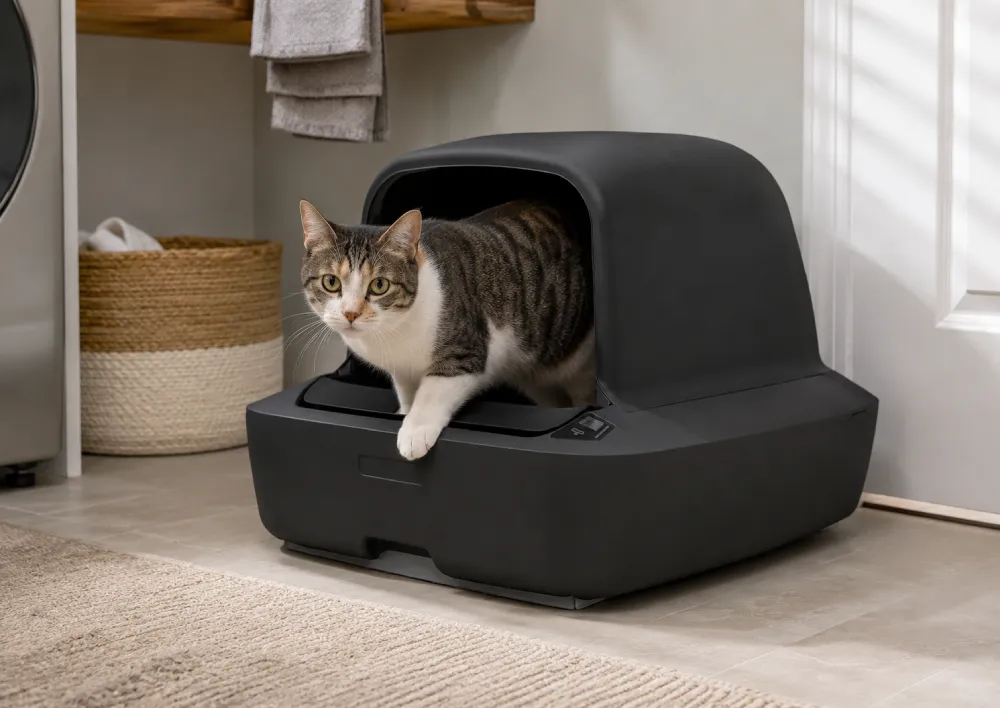
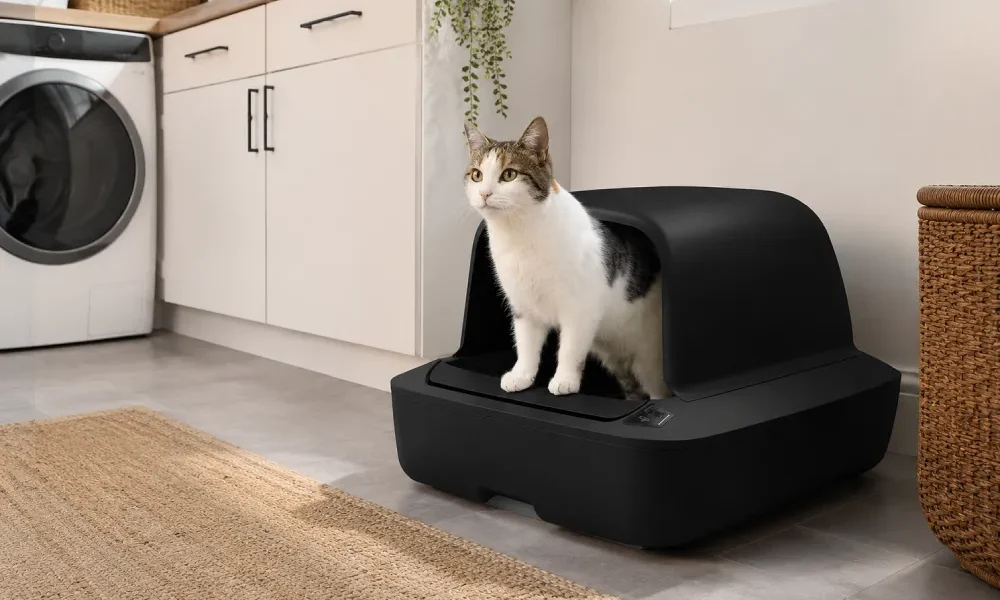
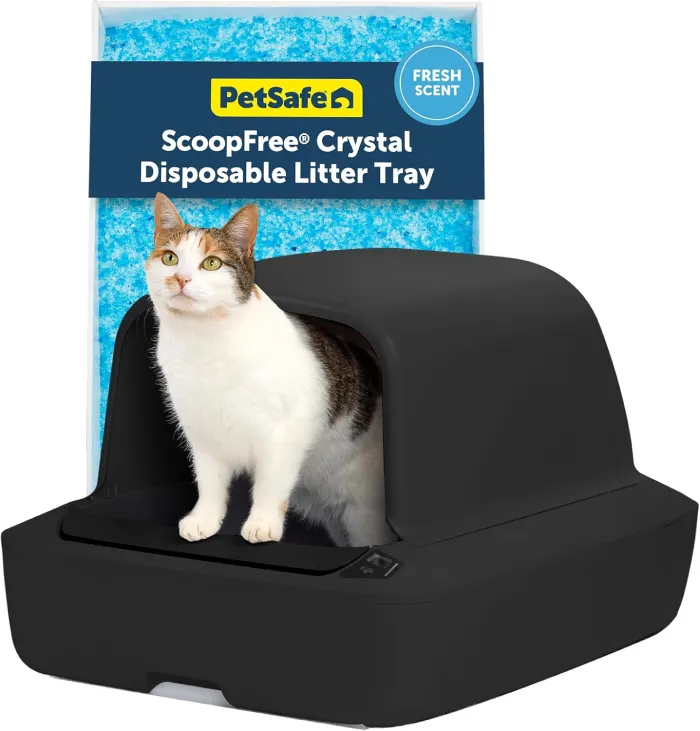
The PetSafe ScoopFree litter box is one of the better known budget friendly self cleaning litter boxes, especially for cat owners who want less scooping without paying for a large premium robot box. It uses an automatic rake system to move waste into a covered trap with some models designed around disposable crystal litter trays.
That sounds convenient, but this is not a perfect automatic litter box. Owner feedback is mixed, and the ScoopFree can be frustrating if your cat dislikes crystal litter, if the rake jams, if odor builds up faster than expected, or if the ongoing refill tray cost becomes too high.
In this PetSafe ScoopFree litter box review, we’ll look at how it works, what it does well, the most common complaints, who it suits, who should avoid it, and whether it makes more sense than spending more on a premium option. If you are still comparing broader options, you can also see our guide to the best automatic litter boxes.
PetSafe ScoopFree is convenient, but only for the right home
The PetSafe ScoopFree litter box can be a useful lower cost self cleaning option for one cat, especially if your cat accepts crystal litter and you want to reduce daily scooping. However, it is not the safest recommendation for every home. The ongoing refill cost, mixed owner feedback, rake issues and odor complaints make it a product with real trade offs.
How the PetSafe ScoopFree Litter Box Works

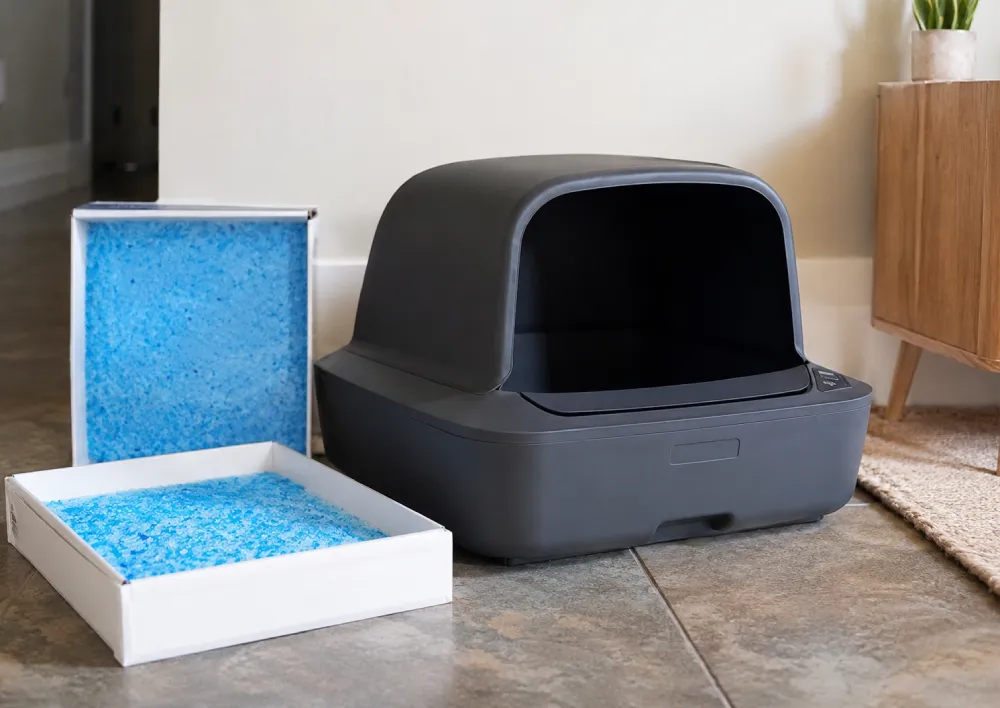
The PetSafe ScoopFree is not a rotating robot-style litter box like the Litter Robot. The classic ScoopFree system uses a flatter litter tray, crystal litter, and an automatic rake. After your cat uses the box, the rake moves solid waste into a covered waste trap while the crystal litter absorbs urine and helps dry out waste.
The main appeal is simplicity. Instead of scooping clumps every day, you replace or empty the tray when it is full. PetSafe says some ScoopFree crystal models can provide up to several weeks of hands-free cleaning, depending on the number of cats, usage level, and tray type.
That design also explains most of the trade offs. Because the system depends heavily on crystal litter and a rake mechanism, performance can vary depending on how often your cat uses it, whether the crystals become saturated, whether waste sticks to the rake path, and whether your cat accepts the litter texture.
Not sure about the PetSafe ScoopFree?
If crystal litter, refill costs or rake jams worry you, these alternatives may be better long term choices.
| Alternative | Best for | Why consider it | Price |
|---|---|---|---|
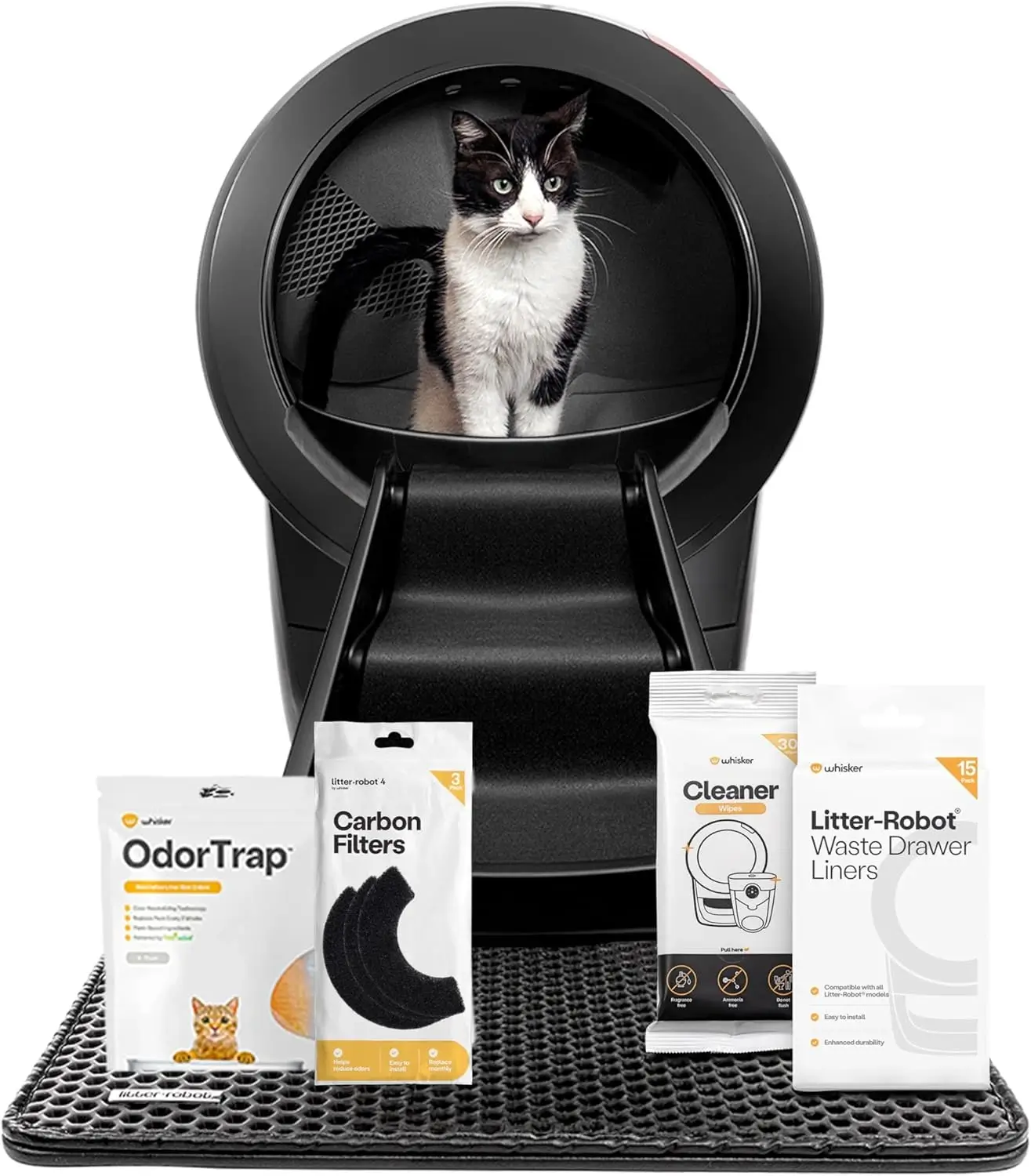
Litter Robot 4 | Best premium | Better odor control, larger waste capacity, app monitoring and stronger multi-cat performance. | Check price |
Neakasa M1 | Best open-top | More open design for cats that dislike covered boxes, with regular clumping litter instead of crystal trays. | Check price |
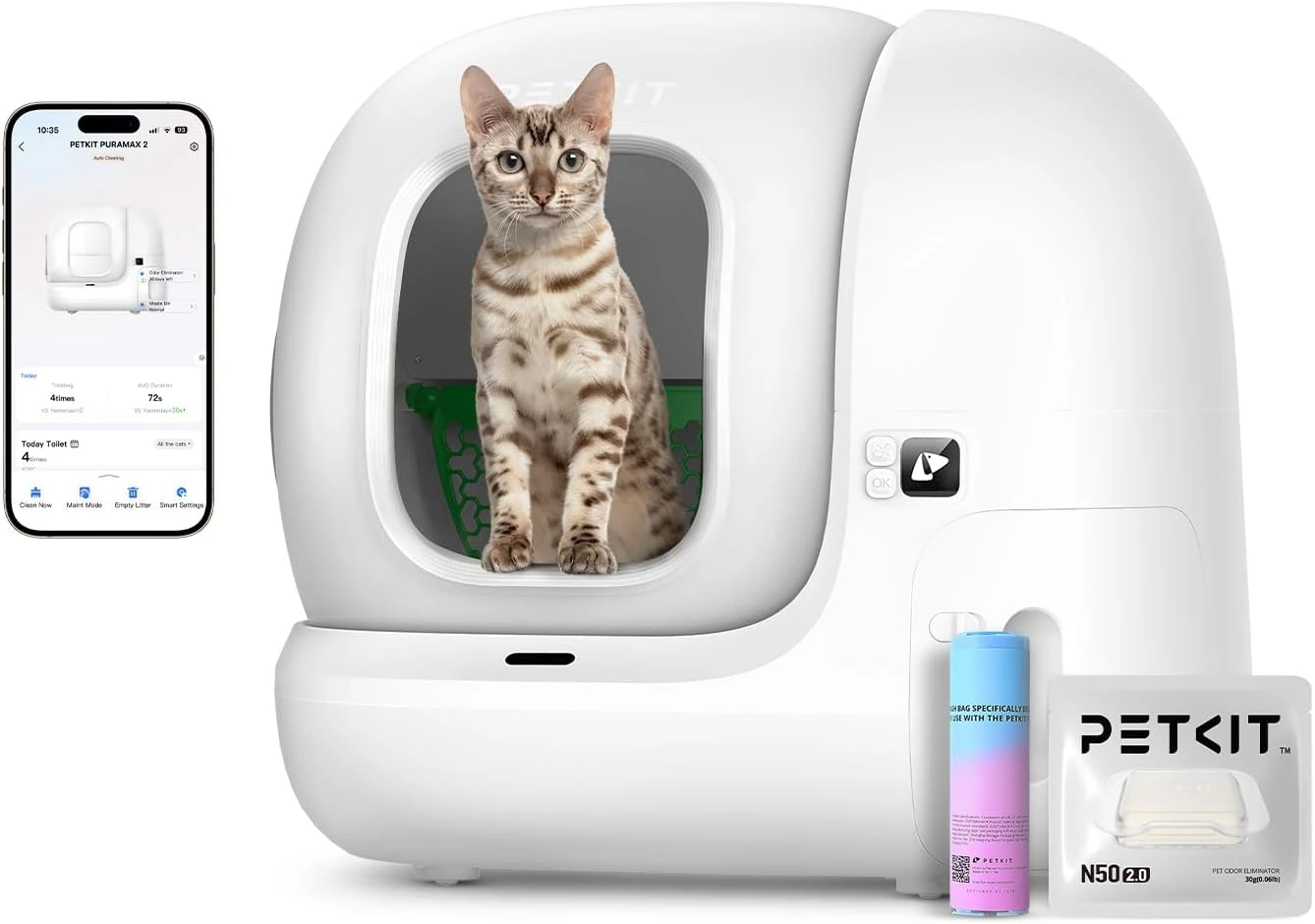
PETKIT PuraMax 2 | Best smart | Better fit if you want app features, usage tracking and a more premium smart litter box experience. | Check price |
What We Like About the PetSafe ScoopFree
The best thing about the PetSafe ScoopFree is that it makes automatic litter boxes more accessible. It is usually smaller, simpler, and less intimidating than large rotating models, which can make it easier to place in a laundry room, bathroom, hallway, or small apartment.
For the right cat, the crystal version can also reduce daily scooping. The litter tray handles urine differently from clumping clay litter, and the rake moves solid waste into a covered compartment after use. That can be convenient for one cat homes where the box is not being overwhelmed by heavy daily traffic.
It is also easier to understand than many premium robot boxes. There is no globe to rotate, no large waste drawer hidden under a tall unit, and no complicated setup process. If your main goal is to reduce scooping without paying premium robot litter box prices, the ScoopFree is easy to see as an attractive option.
Common PetSafe ScoopFree Problems Owners Should Know
The PetSafe ScoopFree can work well in the right home, but it has several common problem areas that buyers should understand before choosing it over a premium automatic litter box.
| Problem | Why it happens | What it means for buyers | Risk level |
|---|---|---|---|
| Rake jams or stops | The automatic rake can stop if litter, waste or debris blocks the rake path or track. | This is one of the main reliability concerns. You may need to check and clean the rake track more often than expected. | Higher risk |
| Odor builds up | Crystal litter works best when fresh and lightly used. Once the crystals become saturated, smell can appear faster. | Better for one cat homes than multi cat households, especially if your cat urinates frequently. | Higher risk |
| Refill trays get expensive | Disposable crystal trays are convenient, but they create an ongoing replacement cost. | The lower upfront price may feel less attractive if you need to replace trays often. | Medium risk |
| Cats may reject crystal litter | Silica crystal litter feels different from soft clumping clay under a cat’s paws. | Picky cats may need a slow transition, and some may not accept the box at all. | Medium risk |
| Not ideal for heavy use | Large cats, multiple cats or cats with high urine output can overwhelm the tray faster. | The ScoopFree is best viewed as a light to moderate-use option, not a premium multi cat solution. | Fit-dependent |
Odor Control: Good When Lightly Used, Weaker When Overloaded
Odor control is one of the main reasons people consider the PetSafe ScoopFree. The crystal litter is designed to absorb urine and dry solid waste instead of forming clumps, and PetSafe says its crystal litter provides stronger odor control than traditional clumping litter. The disposable trays also include a covered waste trap where the rake moves solid waste after the cleaning cycle.
In light use homes, that setup can work well. If you have one cat, replace the tray on time, and your cat’s waste is not overwhelming the crystals, the ScoopFree can keep the litter area cleaner than a basic open box.
The problem is that odor control depends heavily on tray condition. Once the crystals become saturated, urine smell can build up quickly. Solid waste can also become unpleasant if it is not moved cleanly into the waste trap or if the trap is left too long. This is why the ScoopFree is easier to recommend for one average-size cat than for multiple cats or heavy daily use.
Crystal Litter and Refill Tray Costs
The biggest long term drawback of the PetSafe ScoopFree is not always the machine itself. It is the refill system. The classic crystal models are designed around ScoopFree crystal litter trays, and many owners use disposable pre filled trays for convenience.
That convenience is part of the appeal. When the tray is used up, you can remove it, cover it, and throw it away instead of washing a full litter pan. But if your cat uses the box heavily, or if odor appears before the tray is technically full, you may need to replace trays more often than expected.
This is where the ScoopFree can become less budget friendly over time. The upfront price may be lower than a premium robot litter box, but the ongoing tray and crystal litter costs matter. If you are trying to keep long term costs low, compare the ScoopFree with models that use regular clumping litter before deciding.
If budget is your main reason for considering this model, you may also want to compare it with other cheap self cleaning litter boxes before buying.
Will Cats Use the PetSafe ScoopFree?

Cat acceptance is one of the biggest unknowns with any automatic litter box, and the ScoopFree has two possible adjustment points: the automatic rake and the crystal litter.
Some cats adjust easily, especially if they are already confident with covered or semi-covered litter boxes. The machine does not have a large rotating globe, so it may look less intimidating than some premium robot litter boxes. The cleaning cycle also happens after a delay, so the rake should not move immediately while your cat is still inside.
However, crystal litter can feel different under a cat’s paws compared with soft clumping clay. Cats that are picky about litter texture may avoid it at first or reject it completely. For that reason, it is better to introduce the ScoopFree slowly instead of removing your cat’s old litter box on the first day.
A safer transition is to place the ScoopFree near the existing box, leave the old box available, and let your cat investigate the new setup without pressure. Once your cat uses it consistently, you can gradually reduce access to the old box.
Cleaning and Maintenance
The PetSafe ScoopFree reduces daily scooping, but it does not remove litter box maintenance entirely. You still need to replace or empty trays, check the rake path, clean around the waste trap, and wipe down the base when litter dust, urine residue, or debris builds up.
The rake system is the part to watch most closely. If litter, waste, or debris gets caught in the track, the rake may stop or jam. PetSafe’s own troubleshooting advice includes cleaning the rake track with compressed air or a damp cloth and removing the waste trap cover to clear the area.
This means the ScoopFree is best viewed as a lower-scooping litter box, not a zero-maintenance litter box. It can make daily care easier, but you should still check it regularly, especially during the first few weeks while you learn how fast your cat uses up the tray.
Who Should Buy the PetSafe ScoopFree?
The PetSafe ScoopFree makes the most sense for cat owners who want a simpler and lower cost automatic litter box, but do not need the capacity or app-heavy features of a premium rotating model.
It is a better fit if you have one average size cat, your cat is open to crystal litter, and you mainly want to reduce daily scooping. It can also work well for owners who prefer the convenience of disposable trays and do not mind paying for refills.
This is also a reasonable option if you are not ready to spend Litter Robot money and want to test whether an automatic litter box fits your routine. Just go in with realistic expectations: the ScoopFree can reduce scooping, but it still needs monitoring, tray replacement, and occasional cleaning.
Who Should Avoid the PetSafe ScoopFree?
You should probably avoid the PetSafe ScoopFree if you have multiple cats, a very large cat, a cat that produces a lot of urine, or a cat that strongly dislikes crystal litter. In those situations, the tray can become saturated faster, odor control may drop, and the box may need more attention than expected.
It is also not the best choice if you want the lowest possible long-term cost. Disposable trays are convenient, but they can become expensive if replaced frequently. If you prefer using regular clumping litter, a different automatic litter box may make more sense.
Finally, avoid this model if you expect a fully hands off experience. The rake, tray, and waste trap still need regular checks. If you want stronger odor sealing, larger capacity, better multi cat handling, and more complete app tracking, you may be happier with a premium option.
Better Alternatives to Consider
The PetSafe ScoopFree can make sense for the right 1 cat homes, but it is not the only option. If you are worried about crystal litter, refill costs, rake jams or odor control, these automatic litter boxes may be better long term choices.
Litter Robot 4
A better choice if you want stronger odor control, larger waste capacity, app monitoring and better multi cat performance.
Neakasa M1
A more modern option for cats that prefer an open design instead of a covered tray or enclosed robot style box.
PETKIT Automatic Litter Boxes
A better fit if you want app features, usage tracking and a more premium smart litter box experience.
For a wider comparison, see our guide to the best Litter Robot alternatives.
Final Verdict: Is the PetSafe ScoopFree Worth It?
The PetSafe ScoopFree is worth considering if you have one average-size cat, want to reduce daily scooping, and are comfortable using crystal litter or disposable refill trays. For the right home, it can be a simple and less expensive entry point into automatic litter boxes.
However, it is not a product we would recommend blindly. The rake system can need extra cleaning, crystal litter is not ideal for every cat, refill trays can become expensive, and odor control depends heavily on how quickly the tray becomes saturated. It is also not the best choice for multiple cats, large cats, or owners who want a truly premium hands off experience.
Our realistic verdict: the PetSafe ScoopFree is a decent entry-level self-cleaning litter box for light use, but it has clear limits. If you want stronger odor control, better multi-cat performance, and fewer refill-tray concerns, a more advanced automatic litter box is probably the better long-term buy.
FAQ PetSafe ScoopFree Litter Box Review
Is the PetSafe ScoopFree actually self cleaning?
Yes, but not fully hands off. It uses a rake to move solid waste into a covered trap, but you still need to replace trays, check the rake path and clean the unit regularly.
Is PetSafe ScoopFree good for multiple cats?
Usually not. Multiple cats can saturate the crystal litter faster, fill the waste trap sooner and make odor control harder.
Does the PetSafe ScoopFree smell?
It can smell if the crystals become saturated, the tray is left too long or the waste trap fills up. Odor control is best in light-use, single cat homes.
Do you have to use crystal litter?
For the classic ScoopFree crystal models, yes. They are designed around crystal litter trays, so check your exact model before switching litter types.
Why does the ScoopFree rake get stuck?
The rake can jam if litter, waste or debris blocks the rake path. Regularly checking the track and waste trap helps reduce this issue.
Is PetSafe ScoopFree better than Litter Robot?
No, not overall. ScoopFree is usually cheaper and simpler, but Litter Robot is stronger for odor control, capacity, app features and multi cat homes.