Deep Tissue vs Relaxation Massage: What’s the Difference and Which Is Better?

Deep tissue and relaxation massage are often grouped together under the same wellness umbrella, but in reality, they deliver very different experiences. Relaxation massage focuses on calming the body with gentle, flowing movements that melt away stress. Deep tissue on the other hand uses slow, targeted pressure designed to reach the lower layers of muscle and fascia and perfect for stubborn knots, chronic tension and post workout tightness.
Because these two massage styles feel so different, understanding how each one works is essential before choosing the right technique or device. Whether you’re looking for soothing stress relief or a more intensive approach that tackles deep muscle tightness, the type of massage you choose will dramatically influence the results.
In this article, we break down how deep tissue and relaxation massage work, their main benefits, how they differ and which one is better depending on your goals.
Deep Tissue vs Relaxation Massage: The Short Answer
Deep Tissue Massage
Intense, slow, targeted pressure that reaches deeper muscle layers.
Best for chronic tension, knots, recovery, and tight, overworked muscles.
Relaxation Massage
Gentle, soothing strokes designed to calm the body and reduce stress.
Ideal for unwinding, improving circulation, and easing everyday stiffness.
Both can help with pain and stiffness, but they work in completely different ways and you can find more below.
What Is a Deep Tissue Massage?
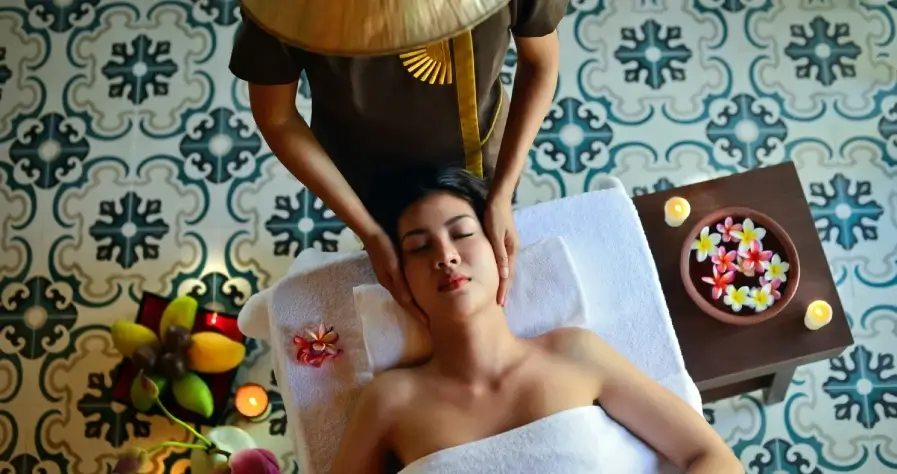
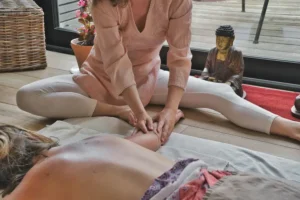
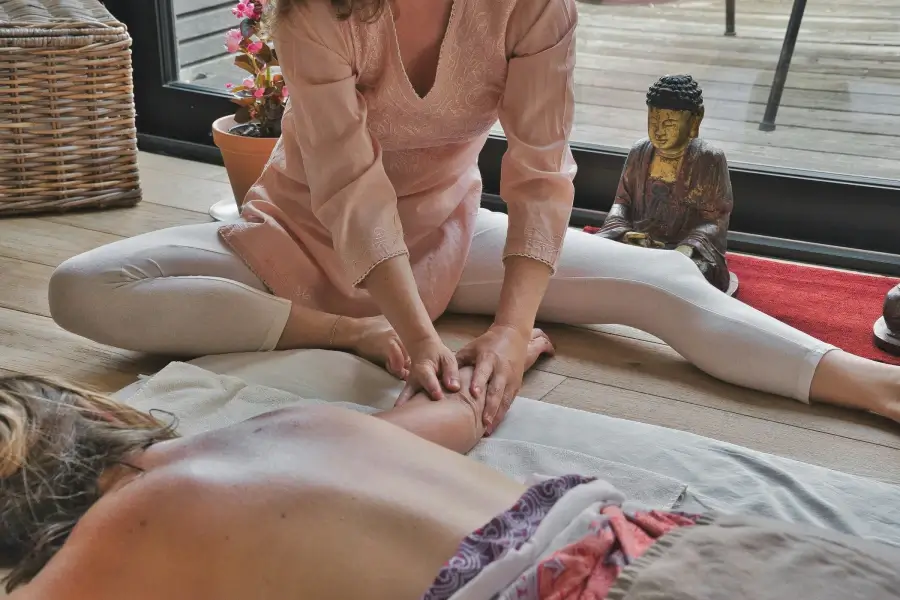
Deep tissue massage is a therapeutic technique designed to target the deeper layers of muscle and connective tissue. Unlike relaxation massage, which focuses on light pressure and calming the body, deep tissue work uses slow and deliberate strokes and firm pressure to reach areas where chronic tension, knots and adhesions tend to form.
The goal isn’t just to feel good in the moment but it’s to release long standing muscle tightness and improve mobility. A deep tissue session often begins with lighter warm-up strokes to loosen the surface layers before gradually increasing pressure. As the therapist (or device) works deeper, you may feel a strong, stretching or “pressure release” sensation as knots begin to break down.
Deep tissue massage is especially helpful for:
- Chronic muscle stiffness from posture, stress or repetitive strain
- Athletic recovery, tight calves, hamstrings and glutes
- Trigger points and stubborn knots that don’t respond to light pressure
- Limited mobility due to tight fascia or muscular tension
Because of its intensity, deep tissue massage isn’t meant to be relaxing in the traditional sense, it’s more about corrective work. When done properly, it can feel transformative but it’s normal for the pressure to feel firm and targeted rather than soothing.
If you want relief from long term tightness, deep muscle soreness or areas that never seem to loosen up, deep tissue massage often delivers the most noticeable results.
What Is a Relaxation Massage?
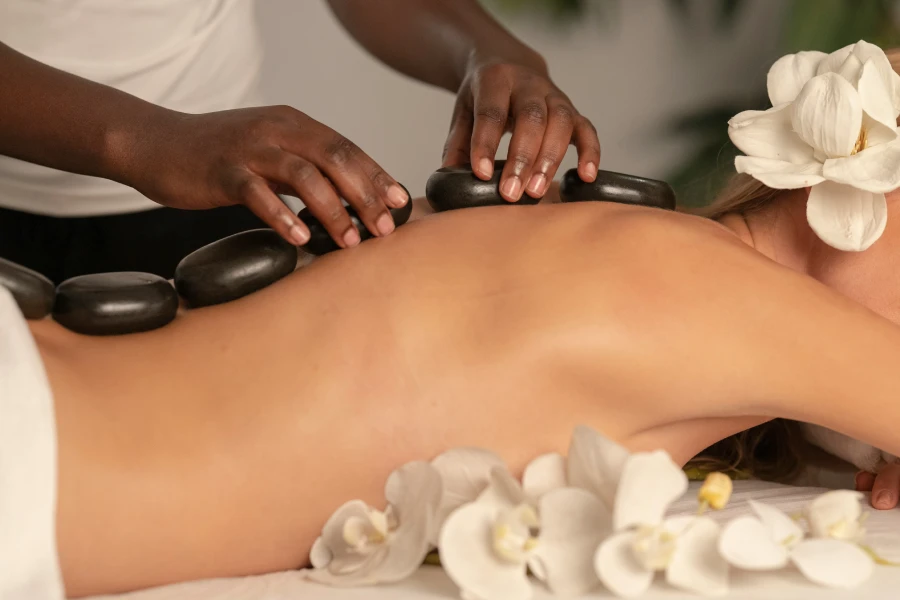
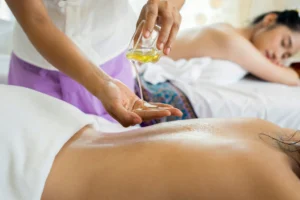
Relaxation massage is the calmer, softer counterpart to deep-tissue work. Instead of targeting stubborn knots or applying heavy pressure, its goal is simple: to help your body unwind. The strokes are long, smooth and rhythmic and often mimicking the gentle flow of a spa style Swedish massage.
Where deep tissue focuses on breaking down tension, relaxation massage focuses on reducing stress, soothing the nervous system, and restoring a sense of ease throughout the body. It works by increasing circulation, loosening surface-level tightness, and encouraging the muscles to let go without force.
Relaxation massage typically uses techniques like:
- Long, gliding strokes that calm the muscles
- Light to medium pressure that stays on the surface layers
- Slow, steady pacing to encourage the body to settle
- Optional heat therapy, which enhances comfort and softens tight areas
- Gentle kneading, enough to loosen tension without discomfort
The overall sensation is warm, comforting and almost meditative. The kind of massage people choose when they want to quiet their mind, ease stress and release the day’s physical and emotional load.
Relaxation massage isn’t meant to dig deep or attack trigger points. Instead, it sets the stage for recovery by helping your body feel safe and supported, a perfect contrast to the intensity of deep tissue work.
Key Differences: Deep Tissue vs Relaxation Massage
| Feature | 💪 Deep Tissue | 🌿 Relaxation |
|---|---|---|
| Massage style | Slow, firm pressure targeting deeper muscle layers | Gentle, flowing strokes across surface muscles |
| Pressure level | Medium–high to intense | Light–medium |
| Best for | Chronic tension, knots, athletic recovery | Stress relief, calming the nervous system |
| Devices / Techniques | Percussion guns, firm rollers, deep-tissue chairs | Shiatsu nodes, air compression, soothing heat chairs |
| Speed | Slow, focused, sustained pressure | Smooth, rhythmic, steady strokes |
| Feels like | Strong muscle release that may feel intense before relief | Soft, comforting touch similar to a spa massage |
| Pain tolerance | May feel uncomfortable at first but effective for deep knots | Very comfortable — rarely produces discomfort |
Which One Is Better?
There isn’t a single “winner” between deep tissue and relaxation massage, the best choice depends entirely on what your body needs at that moment. Both styles serve a purpose but they feel very different and support the body in different ways.
Choose Deep Tissue Massage if you want intensity and targeted relief
Deep tissue massage is the better fit when you’re dealing with stubborn knots, chronic tightness, or soreness that sits deep below the surface. Its slow, firm pressure works its way into dense muscle layers, making it especially useful for athletes, gym-goers, or anyone whose discomfort is tied to overuse. The experience can feel intense at times, but that’s exactly what allows the muscles to release tension they’ve been holding for too long. If your goal is recovery, mobility, or long-term relief, deep tissue work usually gets you there faster.
Choose Relaxation Massage if you want comfort, calm, and everyday tension relief
Relaxation massage takes a completely different approach. Instead of digging into deep knots, it focuses on gentle, flowing pressure designed to settle the nervous system, loosen surface tension, and help the body unwind. It’s ideal for people who sit at a desk all day, carry stress in their shoulders, or simply want to feel lighter and more comfortable without any soreness afterward. Where deep tissue is corrective, relaxation massage is restorative and something you can enjoy regularly without feeling overwhelmed.
When a hybrid approach works best
Many people find that their needs change from day to day. Some modern massage chairs and handheld devices now combine deeper pressure with softer, soothing techniques, which makes it possible to get both recovery and relaxation in a single routine. If you aren’t sure which style your body responds best to, a combination can be one of the most balanced ways to support muscle health.
For readers who want to explore how different massage styles compare, especially in terms of intensity, technique, and the types of devices that use them, you may also find our guide on Shiatsu vs Percussion Massage helpful since it breaks down two of the most common at-home massage experiences and how they stack up.
Which One Is Better for Pain Relief?
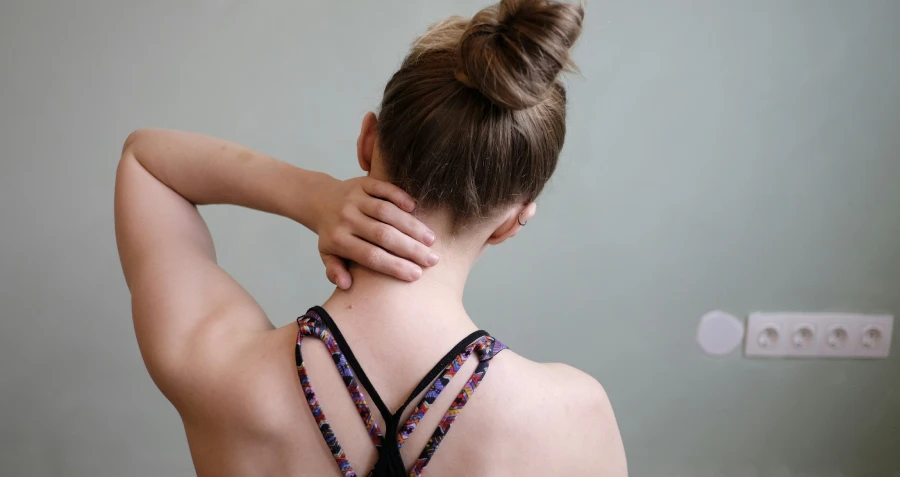
The right choice really depends on what kind of pain you’re trying to manage. Deep tissue and relaxation massage work very differently on sore or overworked areas, so each one shines in different situations.
Neck and Shoulder Pain: For most neck and shoulder issues, relaxation massage is the safer and more comfortable option. These areas tend to be sensitive, and gentle pressure helps the muscles let go without triggering more tension. Deep tissue work can feel too forceful here, especially if stiffness is related to stress, posture or nerve irritation.
Lower Back Discomfort: Relaxation techniques also tend to work better for typical lower back tightness especially the kind that builds up after long hours sitting or standing. Slow, rhythmic pressure helps loosen the surrounding muscles and encourages the body to unwind rather than brace.
Deep Knots and Hard to Reach Tension: If you’re dealing with a stubborn knot that refuses to release, deep tissue massage is the clear winner. Its focused, penetrating pressure reaches deeper layers of muscle that lighter techniques can’t access. This is why athletes and people with chronic muscular tension often rely on deep tissue for the tougher areas.
Full Body Stress vs. Muscle Recovery: If your goal is overall relaxation, something soothing that helps your entire body decompress relaxation massage delivers a much calmer experience. But if you need relief after a workout, or you’re trying to break up long standing tightness, deep tissue responds faster and more directly.
Both approaches have value, and many people benefit from using them at different times depending on what their body needs most.
Which Devices Use Each Style?
Deep tissue and relaxation massage aren’t just techniques and they shape the entire landscape of at home massage devices. Knowing which tools use which style makes it easier to choose the right device for your body and it also helps you understand where each one fits into a broader recovery or relaxation routine.
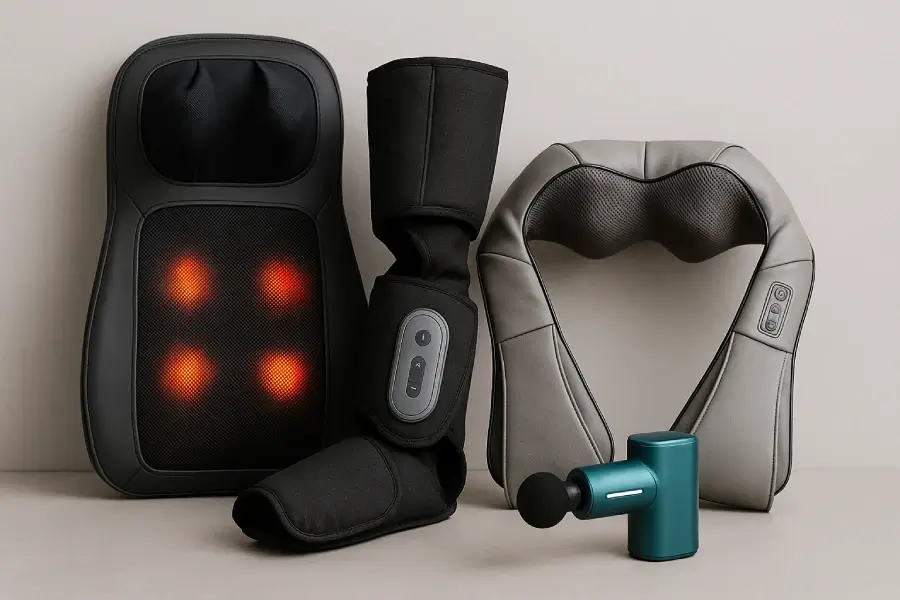
Relaxation Massage Devices (Calming, Slow, Comfort Focused)
Relaxation massage is built around soothing pressure rather than strength so it shows up most often in devices designed for daily comfort.
Massage chairs are the most advanced version of relaxation style therapy. Their rolling nodes, gentle kneading, and heat programs feel very close to a hands-on session. If you want the full picture of what these chairs can do, our full guide to the best rated massage chairs breaks down the top performing options you can use at home.
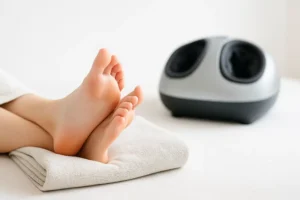
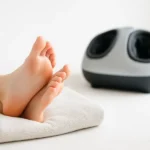
Foot massagers also rely heavily on relaxation techniques. They use Shiatsu style rollers to ease plantar tension, improve circulation, and soften tight arches, especially helpful if you stand a lot or deal with foot fatigue. For in-depth comparisons, see our best foot massagers guide.
Neck and shoulder massagers use slow rotating nodes to mimic thumb pressure, providing steady relief in areas where deep-tissue intensity might feel too harsh. If this is where you hold most of your stress, our guide to the best neck massagers outlines the models that actually work.
And for legs, many people turn to air compression leg massagers, which use rhythmic squeezing rather than hard pressure. They’re excellent for relaxation, circulation boosts, and relieving heavy leg fatigue after long days.
Together, these relaxation based tools create a gentle, restorative massage experience that supports daily stress management.
Deep-Tissue Massage Devices (Recovery, Intensity & Precision)
Deep tissue devices are built for power. Instead of slow rolling, they deliver strong, targeted pressure that penetrates deeper into the muscle layers which is why athletes and active people rely on them for recovery.
Massage guns are by far the most common deep tissue tool. Their high speed percussion pulses dig into knots, activate stiff muscles, and speed up post-workout recovery. If you want effective relief without overspending our guide to the best budget massage guns features great options that don’t sacrifice power. If you’re looking for more compact and travel friendly options, check out our best mini massage guns recommendations and find your perfect match.
Handheld deep tissue massagers offer a more traditional form of impact therapy, still strong but usually broader in feel than a massage gun, making them great for back, glutes, calves and hamstrings.
A few modern massage chairs now merge relaxation and deep-tissue elements, blending rolling comfort with stronger percussion like movements. This hybrid approach is ideal if you want full body relaxation but occasionally need more intense muscle work too.
Benefits Comparison
Deep tissue and relaxation massage both offer meaningful therapeutic benefits, but they excel in different areas. The table below compares how each style performs across key factors like recovery, comfort, and daily usability to help you decide which one fits your goals.
| Benefit | 💆 Relaxation Massage | 💢 Deep Tissue Massage |
|---|---|---|
| Best for relaxation | ✔ Excellent | ➖ Too intense for unwinding |
| Best for muscle recovery | ➖ Mild | ✔ Strong, targeted relief |
| Deep-tissue penetration | ➖ Light–medium | ✔ Deep & focused |
| Neck and shoulder comfort | ✔ Very safe | ⚠ Can feel too intense |
| Everyday use | ✔ Ideal for daily routines | ➖ Best in moderate sessions |
| Heat integration | ✔ Common | ➖ Rare |
Final Verdict: Deep Tissue vs Relaxation Massage, Which One Should You Choose?
Deep tissue and relaxation massage serve completely different purposes, and the right choice ultimately comes down to what your body needs most. If your goal is to unwind, release everyday tension, and enjoy a calmer full body experience, relaxation massage delivers a soothing, restorative effect that feels gentle and comforting. It’s the better fit for stressful workdays, tightness from sitting, or those moments when you simply want your muscles to loosen without intensity.
Deep tissue massage, on the other hand, is built for results. Its slow but forceful pressure reaches deeper layers of muscle, helping break up knots, improve mobility, and support athletic recovery. If you deal with chronic tightness, stubborn trigger points, or soreness from workouts, deep tissue techniques will give you far more noticeable relief than a light, comforting massage ever could.
The good news? You don’t always have to choose one or the other. Many people use relaxation massage for daily maintenance and turn to deep tissue only when their muscles feel tight or overworked. And if you’re exploring massage devices to support both goals at home, hybrids like modern massage chairs or dual mode massagers offer the best of each style in one system.
Ultimately, the “better” style depends on how you want to feel afterwards, calm and restored, or deeply relieved and recharged. Both approaches have real value, and the more you understand how your body responds, the easier it becomes to choose the right type of massage for each day.
Frequently Asked Questions
Is deep tissue massage painful?
Deep tissue massage can feel intense, especially when targeting deeper layers of muscle or stubborn knots. While mild discomfort is normal, it should never feel sharp or unbearable. A good therapist or device should adjust pressure to your comfort level so the session remains therapeutic, not painful.
Can relaxation massage help with real muscle tension?
Yes, relaxation massage can still release tension, especially surface level tightness caused by stress, poor posture, or long hours sitting. While it may not reach deep trigger points like deep tissue massage, it’s highly effective for calming the nervous system and loosening everyday stiffness.
Which style is better for daily use?
Relaxation massage is generally better for daily routines because it uses lighter, more soothing techniques that won’t overstimulate the muscles. Deep tissue massage is best used a few times per week, or as needed, to avoid soreness from excessive pressure, especially if you’re treating sensitive areas.
How Often Should You Use a Foot Massager: Expert Tips, Safety & Routine
Best GPS Dog Tracking Devices: Top 5 Tested Picks