Can Neck Massagers Help Headaches? Relief for Tension & Migraine

Headaches, especially tension headaches are often linked to tight muscles in the neck and shoulders. That’s why many people turn to neck massagers as a quick way to find relief. But do they actually help, or is the effect only temporary?
The answer is that neck massagers can help with certain types of headaches, particularly those caused by muscle tension and poor posture. By relaxing tight muscles and improving blood flow, they may reduce both the frequency and intensity of discomfort over time.
In this guide, we’ll break down when neck massagers work for headaches, when they don’t, and how to use them safely for the best results. If you’re looking for targeted options, you can also check our guide to the best neck massagers for tension headaches to find models designed specifically for this type of relief.
Do Neck Massagers Help Headaches?
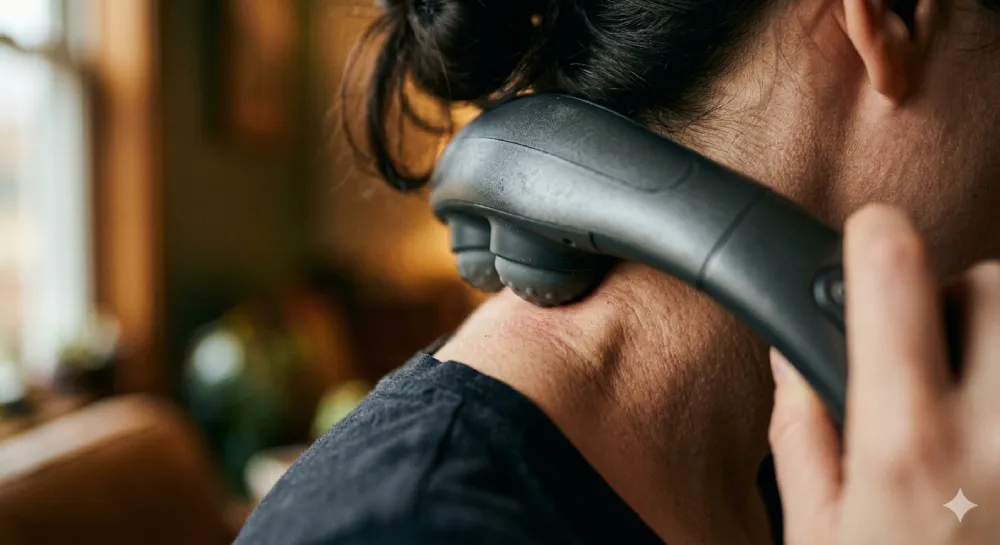
Yes, neck massagers can help with certain types of headaches, especially those caused by muscle tension and poor posture. These are commonly known as tension headaches, and they often originate from tightness in the neck and shoulders.
By applying pressure, heat, or gentle stimulation, neck massagers can help relax these muscles, improve blood flow, and reduce the strain that contributes to headache discomfort. For many people, this leads to noticeable short term relief and, with consistent use, fewer recurring episodes.
However, it’s important to understand that neck massagers are not a universal solution. They tend to be most effective for tension related headaches, but may not provide the same results for migraines or headaches caused by underlying medical conditions.
Types of Headaches They Can Help With
Neck massagers are not equally helpful for every kind of headache. They tend to work best when the pain is linked to muscle tightness, stiffness, or posture-related strain rather than deeper neurological or medical causes.
| Headache Type | Can a Neck Massager Help? | Why |
|---|---|---|
| Tension headaches | Yes, often very effectively | These are commonly linked to tight neck and shoulder muscles, which massage can help relax. |
| Posture-related headaches | Usually yes | If the headache is triggered by screen time, desk work, or stiffness, massage may reduce the muscular strain behind it. |
| Cervicogenic headaches | Sometimes | These start from the neck, so gentle massage may help, though results depend on the underlying cause. |
| Migraines | Sometimes, but indirectly | A neck massager may help with associated muscle tightness, but it is not a direct treatment for migraines themselves. |
| Sinus or illness-related headaches | Usually no | These headaches are not primarily caused by muscle tension, so a neck massager is unlikely to make much difference. |
The biggest benefits usually come when the headache starts with stiffness or tightness in the neck. If that sounds like your situation, it also helps to understand whether neck massagers actually work for ongoing tension and everyday muscle discomfort.
When Neck Massagers Don’t Work
While neck massagers can be effective for tension-related headaches, there are situations where they won’t provide much relief or may even make discomfort worse if used incorrectly.
| Situation | Why It May Not Help |
|---|---|
| Migraines with neurological symptoms | Migraines are not primarily caused by muscle tension, so massage may only offer limited or indirect relief. |
| Headaches caused by illness or sinus pressure | These are unrelated to muscle tightness, so a neck massager is unlikely to address the root cause. |
| Severe or chronic neck conditions | If pain is linked to structural or nerve-related issues, massage alone is not enough and may require medical evaluation. |
| Using high intensity on sensitive areas | Too much pressure can increase irritation and make discomfort worse instead of better. |
| Inconsistent or incorrect usage | Irregular use or poor technique often leads to minimal results. |
If you’re unsure whether you’re using your device correctly, it helps to follow a structured routine. Our guide on how often to use a neck massager explains how to build a safe and effective usage pattern.
How to Use a Neck Massager for Headache Relief
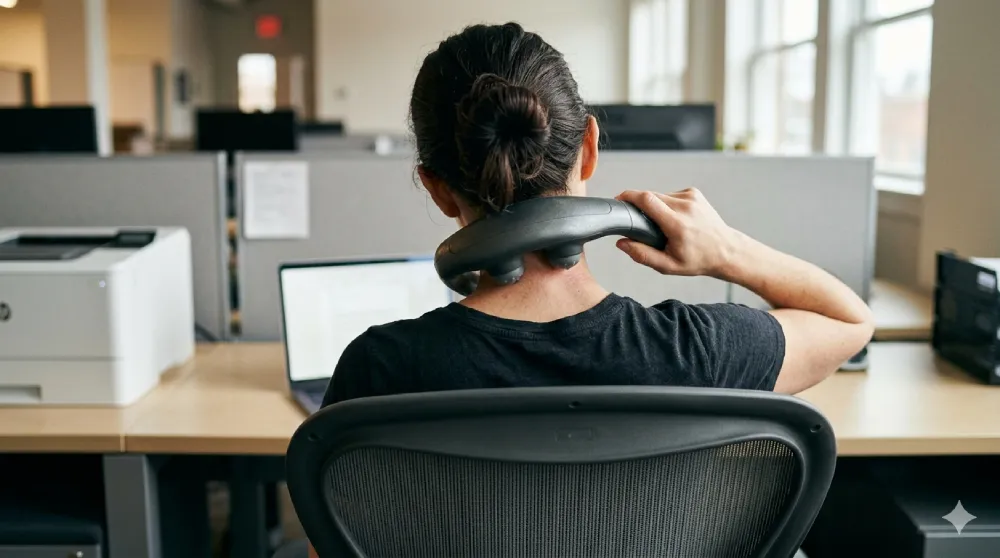
To get the best results for headache relief, it’s not just about using a neck massager—it’s about using it the right way. Small adjustments in duration, intensity, and timing can make a big difference in how effective it feels.
| Step | What to Do | Why It Helps |
|---|---|---|
| Start with low intensity | Begin on the lowest setting and increase gradually if needed | Prevents overstimulation of already sensitive muscles |
| Focus on key areas | Target the base of the skull, upper neck, and shoulders | These are common trigger points for tension headaches |
| Keep sessions short | Use the device for around 10–15 minutes per session | Avoids irritation while still providing relief |
| Use during the right moment | Apply the massager when you first feel tension building | Early intervention can prevent headaches from worsening |
| Combine with relaxation | Sit or lie down in a comfortable position while using it | Helps the body relax and improves overall effectiveness |
For many people, the best results come from using a neck massager consistently rather than only when pain becomes intense. Choosing the right type of device also plays a role—our guide to neck massager pillows explores options designed for more comfortable, everyday use.
Safety Tips and Considerations
While neck massagers can help with tension-related headaches, it’s important to use them responsibly, especially since the neck is a sensitive area.
| Tip | Why It Matters |
|---|---|
| Avoid direct spine pressure | Prevents discomfort and reduces risk in sensitive areas |
| Use moderate intensity | Too much pressure can worsen tension instead of relieving it |
| Limit session time | Short sessions (10–15 minutes) are safer and more effective |
| Stop if symptoms worsen | Pain, tingling, or dizziness are signs to discontinue use |
| Consult a professional if unsure | Important for chronic pain or recurring headaches |
If your headaches are frequent, severe, or not improving, it’s always best to seek professional advice rather than relying solely on at home devices.
FAQ
Can a neck massager stop a headache?
A neck massager can help reduce or relieve tension headaches by relaxing tight muscles, but it may not completely stop all types of headaches, especially migraines or medical conditions.
How long should you use a neck massager for headache relief?
Most sessions should last around 10–15 minutes. Short, consistent use is generally more effective and safer than longer or high-intensity sessions.