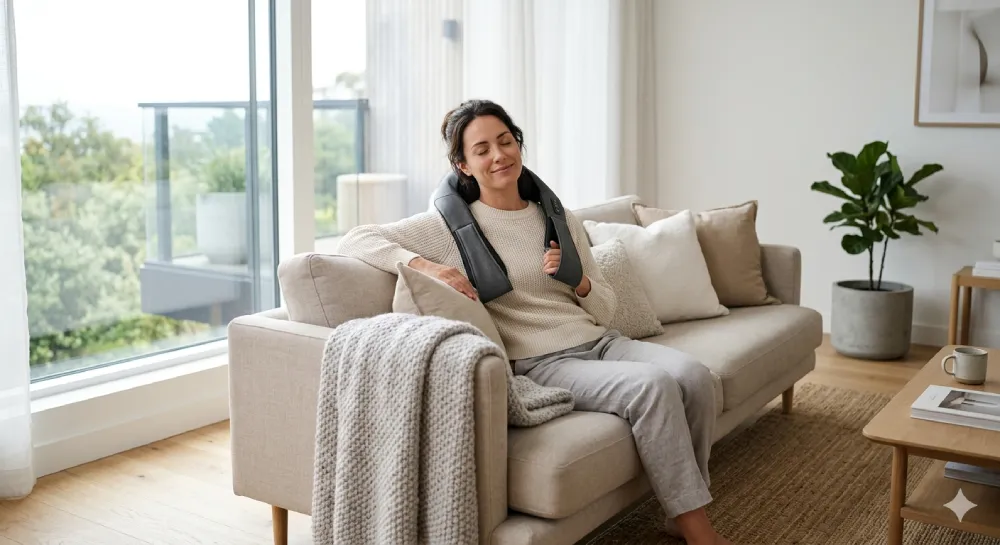
Are Neck Massagers Safe? What You Need to Know Before Using One

Neck massagers are designed to relieve tension, reduce stiffness, and help you relax but a common question many people have is whether they’re actually safe to use, especially on such a sensitive area of the body.
The good news is that most neck massagers are safe when used correctly. However, like any device that applies pressure or stimulation, there are certain situations where you should be more cautious or avoid using one altogether.
In this guide, we’ll break down the real risks, safety tips, and who should avoid neck massagers, so you can use them confidently without causing unnecessary discomfort or injury. If you’re still choosing a device, you can also check our guide to the best neck massagers to find safe and reliable options.
Are Neck Massagers Safe Overall?
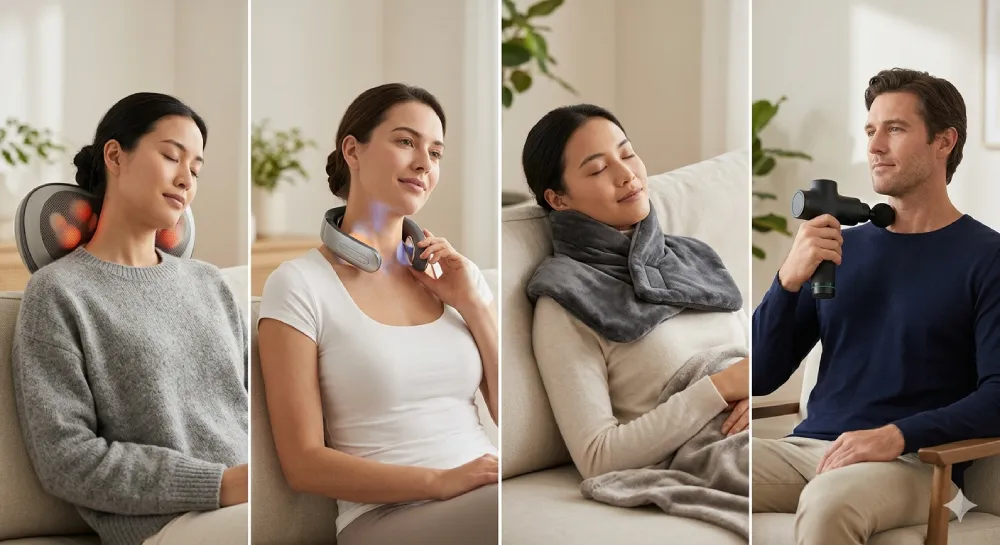
Yes neck massagers are generally safe for most people when used correctly. They’re designed to relieve muscle tension, improve circulation, and help with everyday stiffness caused by stress or poor posture.
However, safety depends on how you use the device, the intensity level, and your individual condition. Using a massager too aggressively or in the wrong situations—such as after an injury can lead to discomfort or worsen existing issues.
For most users, following basic guidelines like keeping sessions short (around 10–15 minutes) and avoiding direct pressure on the spine is enough to use these devices safely. If you’re unsure about proper usage, our neck massager usage guide covers safe routines in more detail.
When Neck Massagers Are Safe to Use
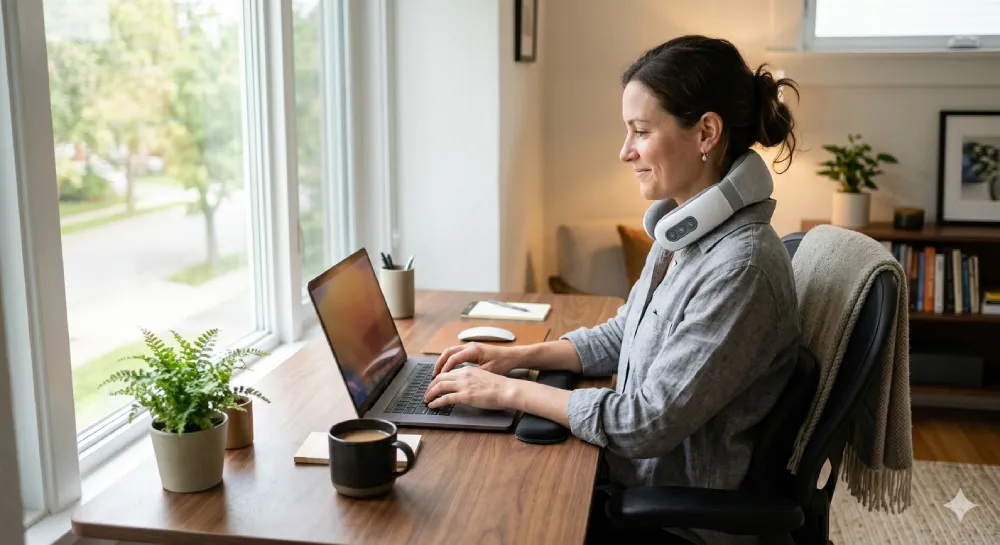
Neck massagers are safe and effective for most people when used in the right situations. They work best for everyday muscle tension, stress related tightness, and discomfort caused by posture or repetitive strain.
| Situation | Why It’s Safe | Best Type of Neck Massager |
|---|---|---|
| Daily muscle tension | Helps loosen tight muscles caused by stress or posture | Shiatsu or EMS |
| Desk work or screen use | Relieves stiffness from long periods of sitting | Heated or EMS |
| Stress-related tightness | Promotes relaxation and reduces tension buildup | Heated |
| After light physical activity | Supports muscle recovery and reduces soreness | Shiatsu or light percussion |
| Evening relaxation routine | Helps unwind and improve comfort before sleep | Heated or EMS |
In general, neck massagers are safest when used on healthy muscle tissue and for short, controlled sessions. Choosing a well designed device also makes a difference our top rated neck massagers guide focuses on models that balance comfort and safety.
When You Should Avoid Using One
While neck massagers are safe for many people, there are situations where using one is not a good idea. The neck is a sensitive area with muscles, nerves, and joints packed closely together, so it’s important to be cautious if you have an injury, inflammation, or an underlying condition.
| Situation | Why You Should Avoid It |
|---|---|
| Recent neck or shoulder injury | Pressure and movement may aggravate the affected area and slow recovery. |
| Swelling or active inflammation | Massage can sometimes increase irritation instead of calming it down. |
| Numbness, tingling, or nerve pain | These symptoms may point to something more serious than simple muscle tension. |
| Known cervical spine issues | Applying pressure near the neck without guidance may worsen discomfort. |
| Open skin irritation or bruising | Using a device over irritated skin can make the area more sensitive or painful. |
If your discomfort is more than everyday muscle tightness, it’s better to be cautious. This is especially true if you’re dealing with headache related tension and are unsure whether a home device is the right fit. Our guide to neck massagers for tension headaches explains which types are better suited to gentle, targeted relief.
Common Risks and Mistakes
Most problems with neck massagers come from how they’re used, not from the devices themselves. In other words, the biggest risks usually involve too much pressure, sessions that last too long, or using the wrong type of massager for your needs.
| Mistake or Risk | Why It Can Be a Problem | Safer Approach |
|---|---|---|
| Using too much intensity | Strong pressure can leave the neck feeling sore or overly sensitive. | Start on the lowest setting and increase gradually only if it feels comfortable. |
| Massaging for too long | Long sessions don’t always improve results and may irritate already tight muscles. | Keep most sessions to around 10–15 minutes. |
| Applying pressure directly on the spine | The neck is a delicate area, and direct pressure may feel uncomfortable or risky. | Let the device target the muscles around the neck and shoulders instead. |
| Using a strong device on an already inflamed area | This can make the area feel worse rather than better. | Wait until acute soreness settles or choose a gentler heated or EMS model. |
| Ignoring pain signals | Sharp pain, tingling, or unusual discomfort can be a sign to stop immediately. | Reduce intensity or discontinue use if the device feels wrong for your body. |
A good rule of thumb is to treat a neck massager like a support tool, not something you should push aggressively. If you’re unsure about session length or weekly frequency, our guide on how often to use a neck massager covers safe usage in more detail.
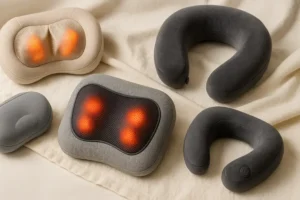
Choosing the right format also matters. For example, some people find that softer wraparound models feel more comfortable than deeper kneading units, especially for regular use. That’s one reason why neck massager pillows can be a better choice if comfort is your top priority.
How to Use a Neck Massager Safely
Using a neck massager safely comes down to a few simple habits: keeping sessions short, choosing the right intensity, and paying attention to how your body responds. When used correctly, these devices can be a reliable way to manage everyday tension without unnecessary risk.
| Safety Tip | What to Do | Why It Matters |
|---|---|---|
| Keep sessions short | Limit use to about 10–15 minutes per session | Prevents muscle irritation and overuse |
| Start with low intensity | Begin on the lowest setting and increase gradually | Helps your muscles adapt safely |
| Avoid direct spine pressure | Position the device on muscles, not directly on the spine | Reduces discomfort and potential strain |
| Use on relaxed muscles | Apply the massager when seated or lying comfortably | Improves effectiveness and reduces risk |
| Listen to your body | Stop if you feel sharp pain, tingling, or unusual discomfort | Prevents worsening existing issues |
For best results, combine safe usage with consistency rather than intensity. Short, regular sessions are usually more effective and safer than occasional high intensity use.
FAQ
Are neck massagers safe for daily use?
Yes, most neck massagers are safe for daily use when used correctly. Keep sessions short (around 10–15 minutes) and avoid high intensity if you’re new or have sensitive muscles.
Can a neck massager cause damage?
Neck massagers are generally safe, but improper use such as applying too much pressure or using them on an injury can lead to soreness or discomfort. Always follow basic safety guidelines and stop if anything feels painful.