Foam Roller vs Massage Gun: Which Is Better for Muscle Recovery?

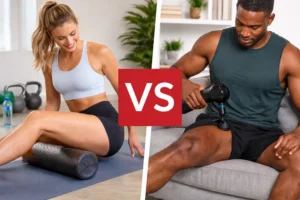
Foam rollers and massage guns are two of the most popular tools used for muscle recovery. Both are designed to help relieve muscle tension, improve circulation, and reduce soreness after workouts.
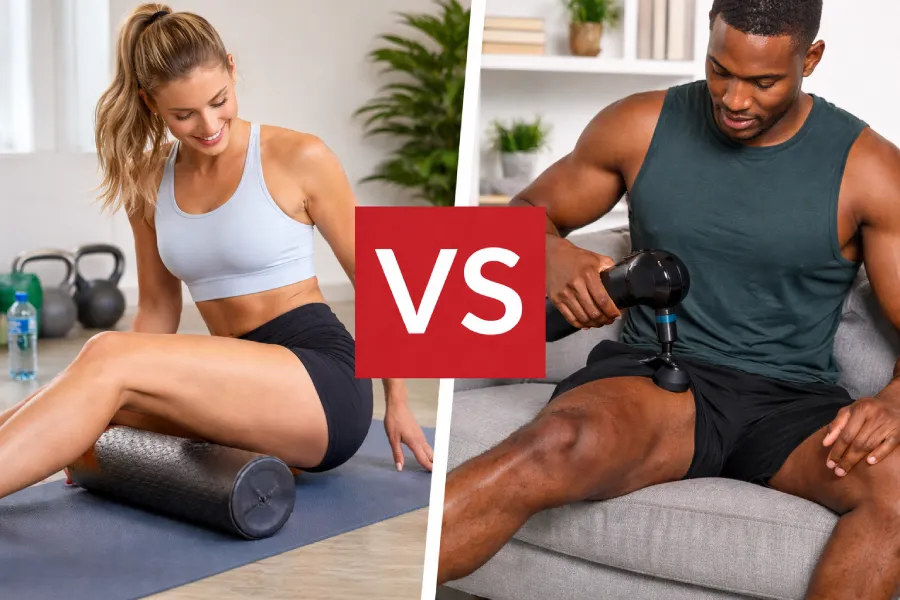
However, they work in very different ways. Foam rollers rely on body weight and controlled pressure to release tight muscle tissue, while massage guns use rapid percussion to stimulate deeper layers of muscle. Because of this, each tool has its own advantages depending on how and when you use it.
Many athletes and fitness enthusiasts use both tools as part of their recovery routine. Foam rollers are often used for mobility work and larger muscle groups, while massage guns can target specific areas that feel tight after training.
In this guide, we compare foam roller vs massage gun to explain how each tool works, the benefits of both recovery methods, and when one might be the better choice for your workout routine.
How Foam Rollers and Massage Guns Work
Foam rollers and massage guns both aim to improve recovery by increasing blood flow and loosening tight muscles. The main difference is the method used to stimulate the muscle tissue.
Foam rollers apply steady pressure through body weight, while massage guns deliver rapid pulses that create a percussive massage effect.
| Recovery Tool | How It Works | Typical Use |
|---|---|---|
| Foam Roller 🧘 | Body weight creates pressure as you roll across muscle groups. | Mobility and muscle release |
| Massage Gun 🔧 | A motor generates rapid pulses that stimulate muscle tissue. | Targeted muscle recovery |
If you’re new to percussion therapy, it’s worth learning the proper technique. Our guide on how to use a massage gun explains how to apply it safely and effectively.
Benefits of Foam Rollers
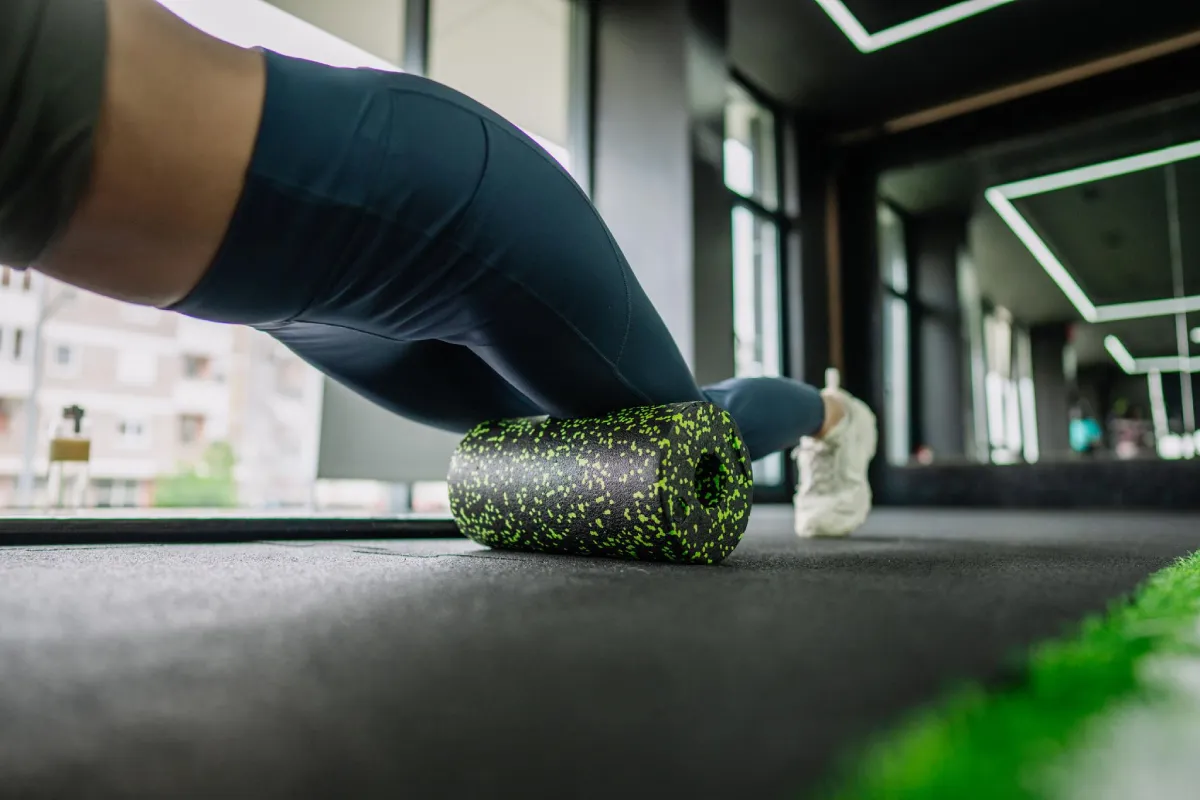
Foam rollers have been widely used by athletes, physical therapists, and fitness enthusiasts for years. They are simple tools that help release muscle tension and improve flexibility.
Because they rely on body weight, foam rollers work particularly well for large muscle groups such as the hamstrings, quadriceps, and back.
| Benefit | Why It Helps |
|---|---|
| Affordable 💰 | Foam rollers are inexpensive compared with electronic recovery devices. |
| Improves Mobility 🤸 | Rolling muscles can help increase flexibility and range of motion. |
| Simple to Use 👍 | No charging, settings, or electronics required. |
| Durable 🧱 | Most foam rollers last for years with very little maintenance. |
Benefits of Massage Guns
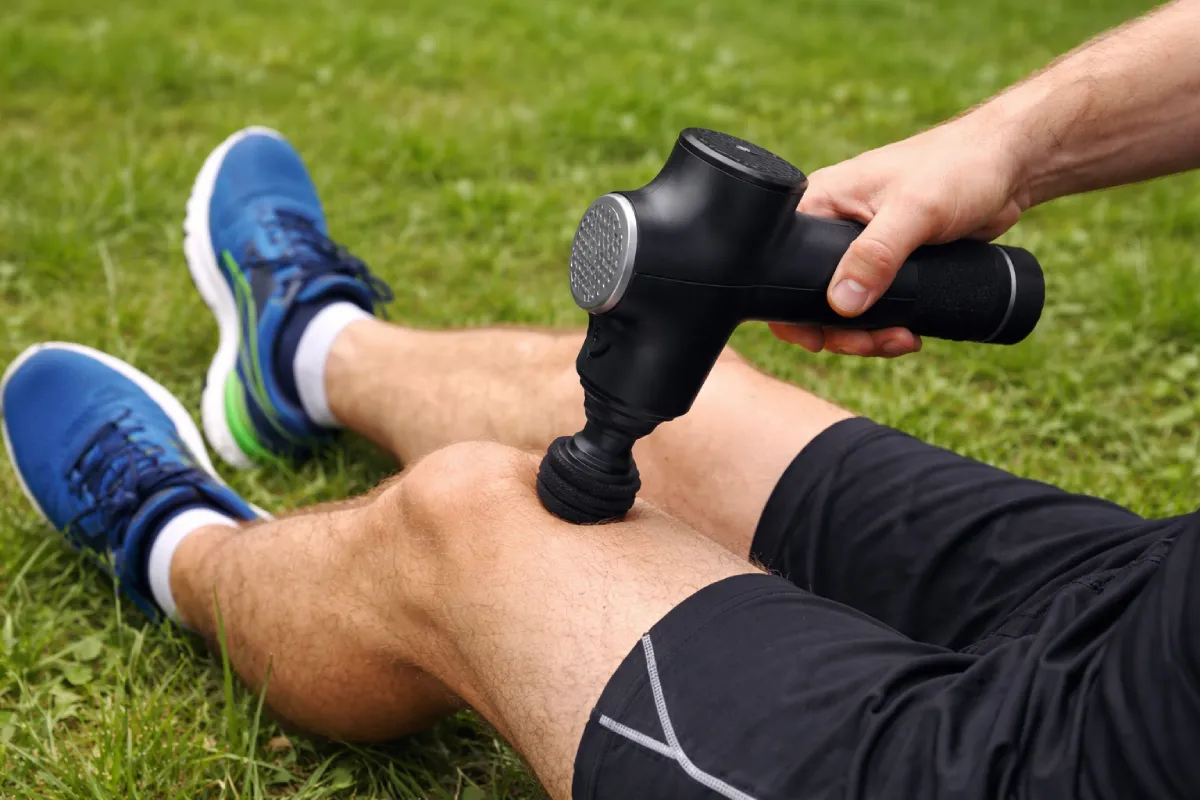
Massage guns have become increasingly popular because they allow users to target specific muscles with minimal effort. Instead of using body weight, the device does the work for you.
The rapid percussion motion can stimulate deeper muscle tissue and help reduce tightness after intense training sessions.
| Benefit | Why It Helps |
|---|---|
| Deep Muscle Stimulation 🔬 | Percussion therapy reaches deeper muscle layers. |
| Targeted Recovery 🎯 | You can focus on specific muscles such as calves or shoulders. |
| Quick Treatment ⏱️ | Short sessions can help relieve muscle tightness. |
| Less Physical Effort ⚡ | You don’t need to support your body weight while applying pressure. |
If you’re considering buying one, you can explore our guide to the best massage guns to see the top models currently available.
Foam Roller vs Massage Gun Comparison
While both tools help improve muscle recovery, they serve slightly different purposes. The right option often depends on your recovery goals, training intensity, and budget.
| Feature | Foam Roller | Massage Gun |
|---|---|---|
| Price 💰 | $10–$50 | $80–$400+ |
| Ease of Use | Requires body movement | Handheld device |
| Muscle Depth | Surface pressure | Deep percussion therapy |
| Portability | Bulky but lightweight | Compact electronic device |
| Best For | Stretching and mobility | Targeted muscle recovery |
Best Muscle Groups for Each Tool
Another useful way to compare these tools is by looking at where they tend to work best. Foam rollers are usually more effective for broad muscle groups, while massage guns are better for more precise treatment.
This is one reason many people use both. A foam roller can help with general lower-body recovery, while a massage gun can target smaller areas that still feel tight.
| Muscle Group | Foam Roller | Massage Gun |
|---|---|---|
| Quads | ✅ Excellent | ✅ Very good |
| Hamstrings | ✅ Excellent | ✅ Very good |
| Calves | ✅ Good | ✅ Excellent |
| Glutes | ✅ Excellent | ✅ Very good |
| Upper back | ✅ Good | ✅ Excellent |
| Shoulders | ⚠️ Limited | ✅ Excellent |
| Arms | ⚠️ Less practical | ✅ Excellent |
| IT band area | ✅ Commonly used | ⚠️ Use with care |
Which One Is Better for Recovery?
Foam rollers and massage guns can both improve muscle recovery, but they work best in slightly different situations.
Foam rollers are excellent for improving mobility and stretching larger muscle groups. Massage guns, on the other hand, are better suited for targeted recovery and deep muscle stimulation.
Many athletes actually use both tools as part of their recovery routine. Foam rolling helps warm up muscles and improve flexibility, while massage guns can provide more focused relief after workouts.
If you train frequently or compete in sports, you may also want to explore our guide to massage guns for athletes, which highlights devices designed for intensive recovery routines.
Are Massage Guns Worth the Price?
Massage guns are generally more expensive than foam rollers, but many users find the convenience and deeper muscle stimulation worth the investment.
Fortunately, prices have dropped significantly in recent years. If you want to try percussion therapy without spending too much, our guide to the best budget massage guns highlights several affordable options.
For travelers or gym bags, smaller devices can also be useful. You can explore compact options in our guide to the best mini massage guns.
Are Self Cleaning Litter Boxes Worth It? Pros, Cons & Costs