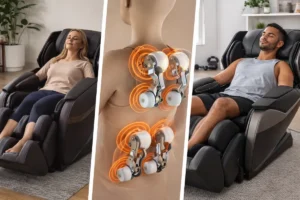

How to Use a Massage Chair: Tips, Timing & Common Mistakes

Using a massage chair can be a great way to relax muscles, reduce everyday tension, and support recovery but only when it’s used correctly. Many first-time users make the mistake of choosing the strongest settings or staying in the chair too long, which can lead to soreness instead of relief.
Whether you already own a massage chair or you’re considering one after browsing different models and features, understanding proper usage is essential. If you’re still comparing options, our guide to the best rated massage chairs breaks down top rated models and key features for home use. Massage chairs combine rolling, kneading, air compression, and heat, and knowing how to use these functions safely can make a noticeable difference in comfort and results.
In this guide, we’ll walk through how to use a massage chair properly, which programs target specific areas best, how long and how often to use it, and how to build a safe weekly routine. We’ll also cover common mistakes to avoid and signs that it may be time to seek professional help instead of relying on home massage alone.
How to Use a Massage Chair Safely?

Using a massage chair safely is less about intensity and more about choosing the right settings, session length, and frequency. When used correctly, a massage chair can help relax muscles, support circulation, and reduce everyday tension. When used incorrectly, it can lead to soreness, fatigue, or discomfort.
Follow these safety guidelines to get the benefits without overdoing it:
1. Start With Low Intensity Programs
If you’re new to massage chairs, begin with gentle “auto” programs focused on relaxation rather than deep tissue. Higher intensity isn’t automatically better — it just increases pressure and can leave you sore if you jump in too fast.
2. Let the Chair Do the Work
Avoid tensing your body or pushing yourself harder into the rollers. Sit back, relax your shoulders, and let the chair’s massage mechanisms work naturally. If you’re bracing during the session, the intensity is probably too high.
3. Keep Sessions Short at First
Start with shorter sessions to see how your body responds, then gradually increase time and intensity over the next 1–2 weeks.
| Experience Level | Recommended Session Length | Intensity Guidance |
|---|---|---|
| Beginner | 5–10 minutes | Low intensity, gentle auto programs |
| Regular User | 10–15 minutes | Low–moderate, targeted programs as needed |
| Experienced | 15–20 minutes (max) | Moderate; avoid “max” settings daily |
4. Focus on Large Muscle Groups
Massage chairs are safest and most effective when they work on larger muscle areas such as the upper back muscles, lower back muscles, glutes, thighs, and calves. Use caution around bony areas and avoid “direct pressure” on the spine.
- Good targets: upper back muscles, lower back muscles, glutes, quads, hamstrings, calves, feet
- Use caution: tailbone area, shoulder blades (bony edges), very thin body types
5. Breathe Normally and Stay Relaxed
Tensing up reduces the effectiveness of the massage. Breathe normally and let the area being massaged stay relaxed so the chair can work without your muscles “fighting” the pressure.
6. Stop If It Feels Painful or Uncomfortable
A massage chair can feel intense, but it should never cause sharp pain, burning, or numbness. If you feel tingling, shooting pain, or lingering soreness afterward, lower the intensity, shorten the next session, or take a rest day.
Quick safety reminder: Massage chairs are designed for muscle relaxation and comfort, not for treating injuries or medical conditions. When in doubt, use lighter settings and shorter sessions.
If you train intensely or use massage chairs primarily for muscle recovery, models designed for sports recovery tend to offer deeper massage programs and better calf and leg coverage. We’ve covered those options in our guide to the Best Massage Chairs for Athletes.
How Long Should Each Massage Chair Session Be?
When it comes to massage chairs, longer sessions don’t automatically mean better results. The goal is to relax muscles and improve circulation without overstimulating tissues or leaving you sore afterward. Most people benefit from shorter, consistent sessions rather than occasional long ones.
Your ideal session length depends on your experience level, sensitivity, and the type of massage program you’re using (gentle relaxation vs deeper kneading or zero-gravity modes).
| User Level | Recommended Session Length | Frequency | Notes |
|---|---|---|---|
| Beginner | 5–10 minutes | 3–4 times per week | Start with gentle auto programs to see how your body responds |
| Regular User | 10–15 minutes | 4–6 times per week | Low to moderate intensity; rotate programs |
| Experienced User | 15–20 minutes (max) | Up to once daily | Avoid maximum intensity every session |
Most massage chair manufacturers design programs to last between 10 and 20 minutes for a reason, this is generally enough time to stimulate muscles without causing fatigue. Running multiple back to back sessions or staying in the chair for long periods can increase soreness instead of relief.
If you notice tenderness, stiffness, or lingering discomfort the next day, shorten your sessions or take a rest day. Your body should feel looser and more relaxed after a session, not beaten up.
Keep in mind that more affordable massage chairs often come with fewer programs, simpler roller systems and lower overall intensity, which can actually be a benefit for beginners or shorter, daily sessions. These models focus on basic relaxation rather than aggressive deep tissue massage.
If price is a factor, our guide to the best affordable massage chairs breaks down reliable options that deliver safe, comfortable massages without unnecessary features or premium pricing.
When Not to Use a Massage Chair
While massage chairs are safe for most people when used correctly, there are situations where use should be avoided or approached with extra caution. Using a massage chair when your body isn’t ready can worsen symptoms or delay recovery.
You should avoid or limit massage chair use if you have:
- Recent back, neck, or spinal surgery
- Acute injuries, fractures, or severe muscle strains
- Severe osteoporosis or fragile bones
- Active inflammation, swelling, or bruising
- Herniated discs or serious spinal conditions (unless approved by a doctor)
- Circulatory disorders or blood clot risks
- Pregnancy, unless cleared by a healthcare professional
You should also stop using the massage chair immediately if you experience sharp pain, numbness, tingling, dizziness, or discomfort that lasts beyond the session.
When in doubt, choose gentler programs, shorten your sessions, or skip use altogether until you’re sure it’s safe. Listening to your body is one of the most important parts of safe massage chair use.
🗓️ How to Build a Safe Weekly Massage Chair Routine

A massage chair works best when used consistently but conservatively. The goal isn’t daily deep tissue massage, but supporting muscle relaxation and circulation while giving your body time to recover. Alternating lighter sessions with occasional deeper programs helps prevent soreness and overuse.
A balanced weekly routine focuses on short, comfortable sessions during the week and allows rest days when your body feels tired or sensitive. You can adjust this structure based on activity level, workout intensity or how your body responds.
| Day | Session Focus | Recommended Time | Intensity Level | Notes |
|---|---|---|---|---|
| Monday | General relaxation | 8–10 minutes | Low | Gentle full-body or back program |
| Tuesday | Post-activity recovery | 10–12 minutes | Low–Moderate | Focus on back, legs, or shoulders |
| Wednesday | Active recovery | 6–8 minutes | Low | Light circulation-focused session |
| Thursday | Muscle tension relief | 10–15 minutes | Moderate | Avoid maximum intensity |
| Friday | Light relaxation | 8–10 minutes | Low | Short session before bed |
| Saturday | Optional focused session | Up to 15 minutes | Moderate | Skip if muscles feel sore |
| Sunday | Rest or very light use | 5 minutes or rest | Very Low | Rest days help recovery |
When to Consider Seeing a Professional Instead
A massage chair can be a helpful tool for everyday relaxation and muscle comfort, but it’s not a replacement for medical evaluation or hands on treatment when something more serious is going on. In some cases, continued use may actually delay proper diagnosis or recovery.
You should consider seeing a healthcare professional, physical therapist, or chiropractor if:
- Pain lasts longer than 7–10 days despite rest and massage
- You experience sharp, stabbing, or worsening pain during or after sessions
- Pain is accompanied by swelling, redness, or warmth
- You notice numbness, tingling, or loss of strength
- Discomfort started after a fall, accident, or sudden injury
- Pain interferes with normal movement, sleep, or daily activities
A professional can help determine whether the issue is muscular, joint-related, or nerve-related and recommend appropriate treatment options.
For many people, the best long term approach is a combination of occasional professional care and responsible at home use of recovery tools like massage chairs. Knowing when to stop and seek expert help is just as important as knowing how to use the chair correctly.
FAQ: How to Use a Massage Chair Safely
1. Is it safe to use a massage chair every day?
Yes, for most people daily use is safe as long as sessions are kept moderate and you avoid maximum intensity every time. If you feel sore or tender afterward, take a rest day or shorten the next session.
2. Can you overuse a massage chair?
Yes. Overuse can lead to muscle soreness, bruising, or fatigue. Common signs include lingering tenderness, discomfort the next day, or feeling “worn out” after sessions. If that happens, reduce intensity, shorten sessions, or use the chair less frequently.
3. How long should beginners use a massage chair?
Beginners should start with 5–10 minutes on low intensity to let the body adapt safely. After a week or two, most users can increase to 10–15 minutes if it still feels comfortable.
4. Is it safe to use a massage chair on your back and neck?
It’s generally safe to use a massage chair on back muscles and upper shoulders, but avoid direct pressure on the spine and use caution around the neck area. If your chair has strong neck rollers, keep intensity low and stop if you feel discomfort.
5. Should a massage chair hurt when you use it?
No. A massage chair can feel intense, but it should never cause sharp pain, burning sensations, or numbness. Pain is a sign to stop the session or reduce intensity immediately.
6. Is it better to use a massage chair before or after a workout?
Both can be helpful. A short, gentle session before a workout may help warm muscles and increase circulation. After a workout, moderate programs can help relax tight areas and support recovery.

Massage Equipment Market Statistics: Device Trends & Industry Growth
The 5 Best Air Purifiers – Tested for Allergies, Smoke and more